📘 500 Complete KDP Niche Bible: Your Realistic Roadmap to Sustainable Self-Publishing
Choosing the right niche isn’t just step one in Kindle Direct Publishing—it’s the foundation that determines whether your books gain traction or fade into obscurity. Many new creators assume success hinges on design skills, marketing budgets, or viral launches. In truth, it starts much earlier: with a thoughtful, evidence-informed niche selection. That’s where the 📘 500 Complete KDP Niche Bible stands apart—not as a magic list of “get-rich-quick” categories, but as a carefully curated, category-organized reference built from real market patterns, search volume trends, and buyer behavior across Amazon’s KDP ecosystem.
It covers 500 vetted niches spanning 20 distinct categories—from evergreen low-content formats like gratitude journals and habit trackers to emerging high-potential areas like AI prompt journals and digital nomad planners. What makes it especially useful is its practical structure: each niche includes context about audience intent, typical content depth (low, medium, or high), seasonal relevance, and complementary product pairings—so you’re not just guessing what to publish, but understanding why it fits.
Common Missteps—and Why They Slow Down Real Progress
One of the most frequent oversights is treating the 📘 500 Complete KDP Niche Bible like a checklist rather than a diagnostic tool. Readers sometimes skim the list, pick the first three niches that sound familiar (“Oh, coloring books—I can do that!”), and rush into creating without validating demand, competition, or differentiation. That approach often leads to titles buried under hundreds of near-identical listings—especially in saturated segments like mandala coloring books or basic daily planners.
Another subtle but costly error? Assuming all 500 niches are equally viable for every creator. A freelance graphic designer may thrive in kawaii-themed activity books, while a certified nutritionist will likely deliver more authority—and better conversion—in diet-planning journals. The 📘 500 Complete KDP Niche Bible shines when used alongside your own strengths, tools, and bandwidth—not as a substitute for self-awareness.
Some buyers also overlook how quickly certain “trending” niches evolve. Take NFT collection logs or metaverse journals: they appeared promising in early 2023, but search volume dropped significantly by late 2024 as mainstream interest waned. The guide notes this volatility—but only if you read the contextual notes, not just the headlines. Skipping those details turns insight into noise.
What to Check Before You Commit—or Create
Before using the 📘 500 Complete KDP Niche Bible to plan your next launch, pause and ask three grounded questions:
- Is there consistent, year-round search volume? Use Amazon’s autocomplete, Publisher Rocket, or Helium 10 to verify actual buyer queries—not just broad terms like “yoga journal,” but long-tail phrases like “yoga journal for beginners with weekly reflection prompts.”
- What’s the realistic barrier to entry? A crypto investment tracker requires up-to-date regulatory awareness and accurate calculations—far more than a simple budget planner. Match the niche complexity to your capacity for research, accuracy, and updates.
- Can you add meaningful value beyond layout? In education workbooks or parenting journals, credibility matters. If you’re not an educator or parent yourself, consider co-creating with someone who is—or focus on niches where aesthetic execution and usability drive purchase decisions (e.g., minimalist wedding planners).
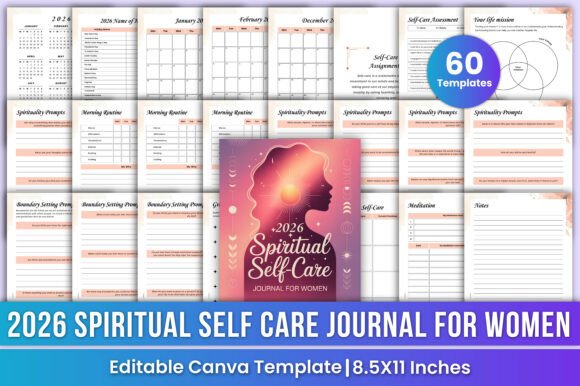
For example, one creator used the 📘 500 Complete KDP Niche Bible to explore “spirituality journals”—a broad category. Instead of launching another generic version, she narrowed it to “spirituality journals for recovering perfectionists,” added therapist-vetted reflection prompts, and positioned it alongside mindfulness podcasts and burnout recovery communities. That specificity—guided by the book’s subcategory breakdown—helped her rank organically and build email subscribers within six weeks.
Better Ways to Use This Resource—Without Overcomplicating Things
Think of the 📘 500 Complete KDP Niche Bible as your “idea compass,” not your entire navigation system. Here’s how seasoned publishers apply it effectively:
- Start with your existing knowledge or access. If you manage a small bakery, explore “small business recipe journals” before diving into “AI prompt engineering logs.” Familiarity reduces revision cycles and builds authentic voice.
- Layer in seasonal timing. The guide flags niches like “back-to-school planners” or “Advent reflection journals” with clear windows. Launching a wedding planner in January? Great. Launching one in November? Less ideal—unless you’ve built pre-launch email interest.
- Test before scaling. Pick one niche from the “low-content starter” section—say, “eco-friendly habit trackers”—and publish three variations (different cover styles, title phrasings, interior layouts). Let real sales data—not gut instinct—tell you which resonates.
Also, don’t ignore cross-category potential. The 📘 500 Complete KDP Niche Bible lists “freelance logbooks” under Business & Finance—but pairing that with “digital nomad planners” (under Trending Niches) opens hybrid opportunities: think “freelance + remote work time-blocker journals” with timezone converters and client invoicing checklists.
A Final Note on Sustainability—Not Just Speed
KDP success rarely comes from launching 50 books in 50 days. It comes from launching five well-researched, audience-aligned books—and iterating based on real feedback. The 📘 500 Complete KDP Niche Bible supports that kind of steady growth because it emphasizes viability over virality, clarity over clutter, and adaptability over rigidity. It won’t write your book—but it helps ensure the idea behind it has room to breathe, sell, and scale.
If you’re serious about building something lasting—not just uploading and hoping—the time you spend studying its categories, reading the context notes, and aligning each choice with your strengths is never wasted. It’s the quiet work that separates sustainable publishing from short-lived experiments.